How Initial D and Fast & Furious Created Global Car Culture
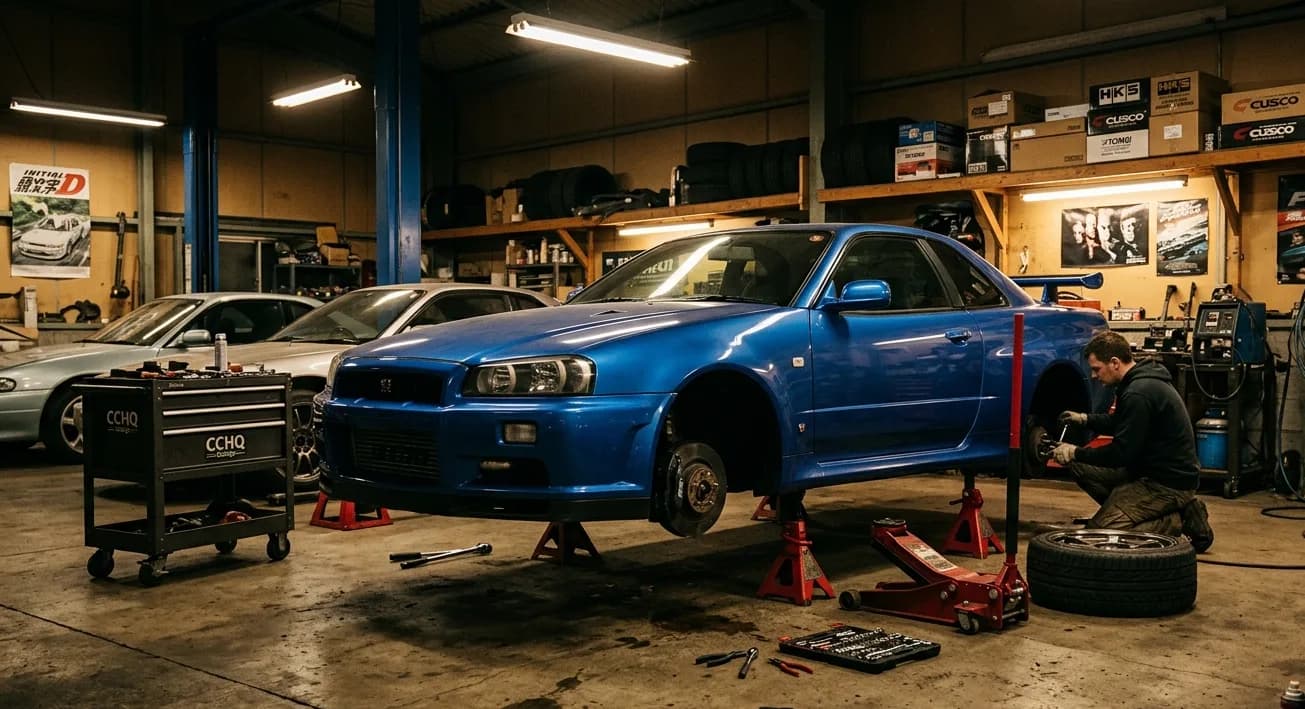
Before we had instant social feeds and endless digital build videos, movie screens and late-night anime VHS tapes were how a generation discovered modified cars. We take an unvarnished look at how Initial D, The Fast and the Furious, and early 2000s media shaped real garage culture, why those cars still dominate builds on CCHQ today, and what modern car media lost along the way.
The Spark That Lit the Garage Fire
If you modified a car in the 2000s, you can probably trace the exact moment you got hooked back to a specific piece of media.
For some of us, it was a grainy fan-subbed VHS tape or late-night burn of Initial D. Seeing Takumi Fujiwara slide a underpowered AE86 Trueno past high-horsepower RX-7s on Mount Akina taught us that driving technique and chassis balance mattered more than raw spec sheets.
For others, it was June 2001 when The Fast and the Furious hit movie theaters. Suddenly, green neon underglow, side-exit exhausts, and nitrous bottles were everywhere. It did not matter that the gear shifts made no sense or that the movie dialogue was cheesy. The movie captured something real: the feeling of gathering in an empty lot at midnight with people who cared about the same machines you did.
Join CarCultureHQ
Claim your free digital garage
Build your ride profile, log modifications, join a crew, and get your build in front of thousands of enthusiasts.
Create your free garageThe Screen Effect: From Budget Beaters to Six-Figure Icons
The biggest legacy of car media is what it did to the actual market.
Back in the late 90s, an AE86 was just a lightweight rear-wheel-drive Toyota hatchback you could pick up for $2,000 to practice drifting. A Nissan 240SX S13 was a disposable daily driver. An R32 Skyline was an imported used car sitting on auction lots in Japan.
Once those cars starred in Initial D, Tokyo Drift, and the Fast franchise, the market changed forever.
The JDM tax became real: Demand exploded globally. Cars that used to be cheap canvas projects turned into holy grails.
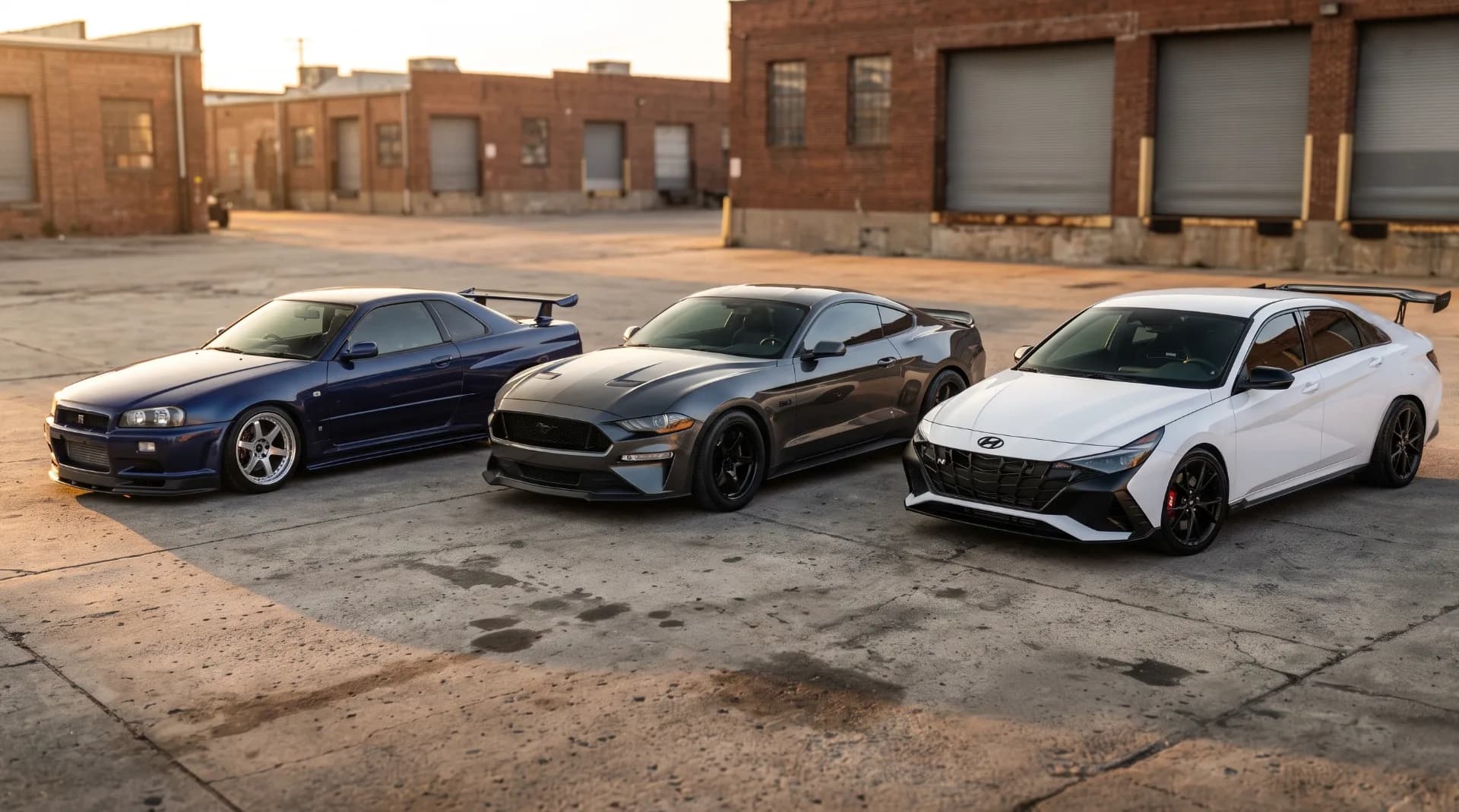
Inspiration turned into garage builds: People did not just watch these cars on screen. They went into their driveways, bought repair manuals, learned how to weld, swapped engines, and built their own versions. Look at the build sheets on CCHQ right now: JDM builds like S2000s, WRXs, and Skylines still dominate popular rankings because those media roots run deep.
Why Modern Car Movies Miss the Mark
Look at most modern action movies today. The cars are mostly CGI assets flying through impossible explosions, driven by characters who never touch a wrench or check their tire pressures.
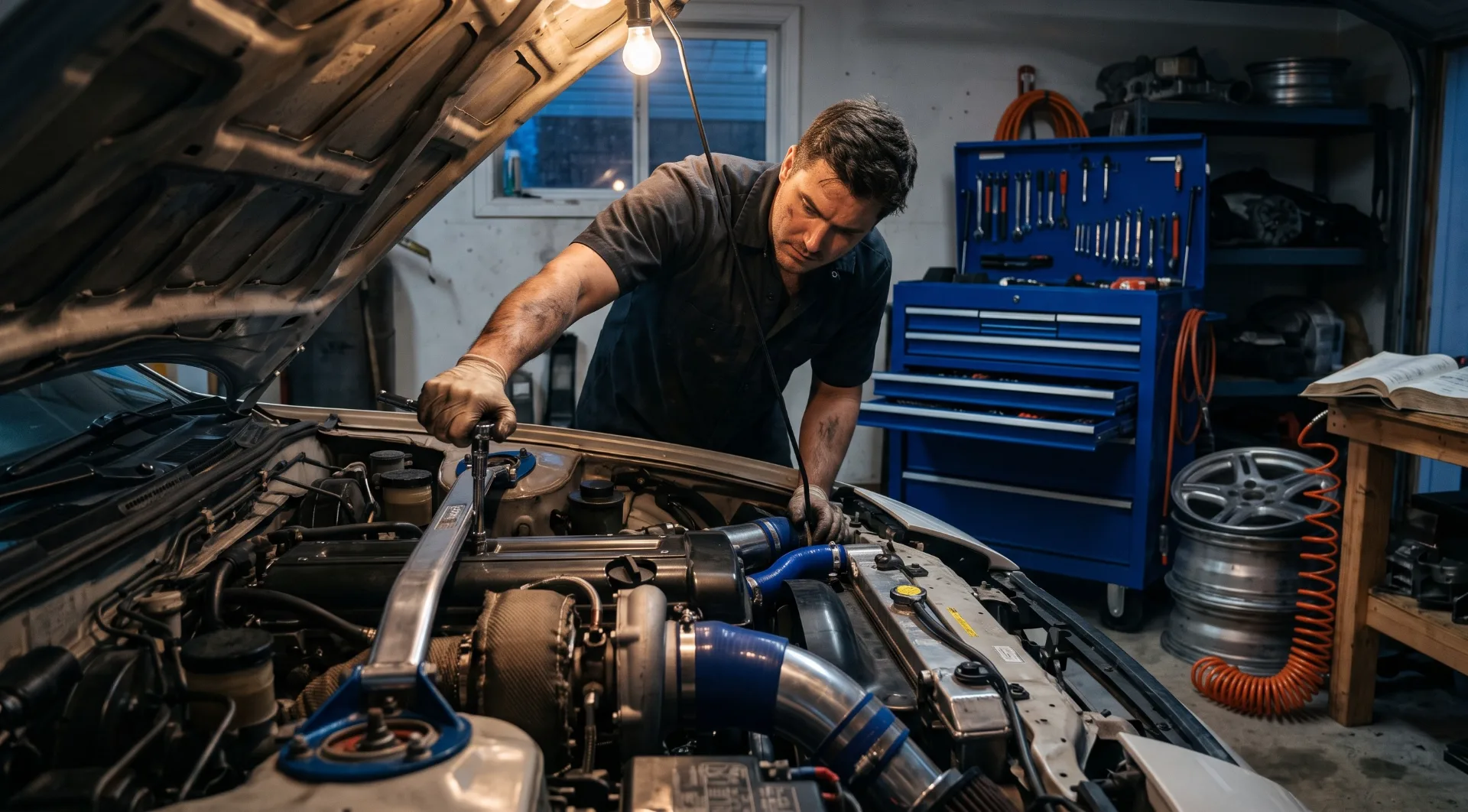
The original media worked because it grounded itself in the mechanics. Initial D explained engine rev limits, limited-slip differentials, and tire degradation. The Fast and the Furious showed guys thrashing on a ruined Supra in a shop for weeks just to get it running.
Car people do not care about fake action. We care about the process, the frustration of a snapped bolt, the sound of a turbo spooling on a late-night highway pull, and the satisfaction of finishing a build with your crew.
From Pop Culture Nostalgia to Real Asphalt
Movies and anime gave us the dream, but real car culture is what happens after the credits roll.
That is why platforms like Car Culture HQ exist. We take that same passion that drew us to screen cars twenty years ago and give it a real home today. No fake CGI or algorithmic noise: just real spec sheets, verified track time slips, custom show placards, and local crews getting together to drive.
The screen got us into the driver seat. What we build in our garages keeps us there.
Join CarCultureHQ
Claim your free digital garage
Build your ride profile, log modifications, join a crew, and get your build in front of thousands of enthusiasts.
Create your free garageFrequently asked questions
Why did Initial D have such a massive impact on drift culture?
Initial D popularized real-world driving mechanics like inertia drifts, weight transfer, and heel-toe downshifting. By focusing on how an underpowered car could defeat faster rivals on technical mountain roads, it inspired thousands of drivers to learn actual car control.
How did pop culture media affect the price of 90s JDM cars?
Global media exposure created immense international demand for Japanese performance cars like the Nissan Skyline GT-R, Toyota Supra, Mazda RX-7, and Nissan Silvias. As supply shrank and import laws opened up, prices skyrocketed significantly.
What made the original Fast and Furious movie resonate so strongly with car enthusiasts?
While cinematic hyperboles existed, the original film tapped directly into early 2000s tuner culture, street meets, night cruises, and late-night garage wrenching sessions that real enthusiasts were actively experiencing in their own towns.
How can new enthusiasts get involved in car culture beyond watching media?
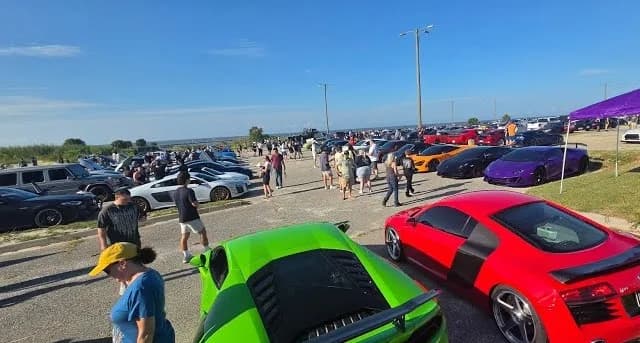
New enthusiasts can start by attending local car meets, joining crew pages on platforms like CCHQ, setting up a profile for their current ride, and attending open autocross or track day events to learn vehicle handling in a safe environment.
Comments
Join the conversation on How Initial D and Fast & Furious Created Global Car Culture. Keep it civil — admins moderate reports.
Loading comments…