How to Import a Car: The Real Guide to 25-Year Rules and Customs
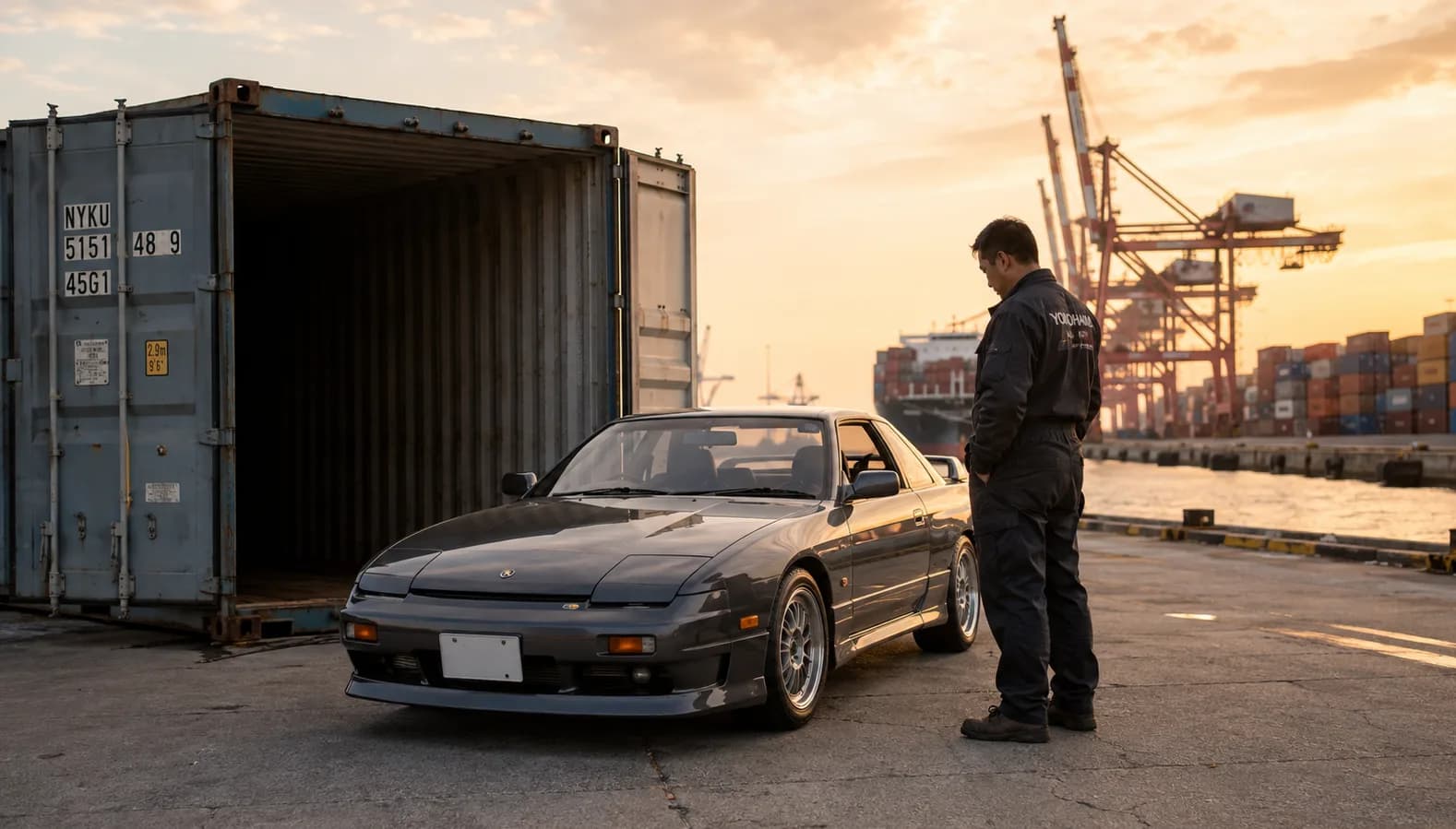
Importing an overseas dream build sounds romantic until customs agents seize your container or the port hits you with unexpected storage bills. Here is the realistic, step-by-step breakdown of how to import a car legally without getting scammed, fined, or crushed.
How to Import a Car: The Honest Guide to Bringing Home Overseas Iron
Browsing Japanese auction sheets or European classifieds at two in the morning is a dangerous habit. You find a clean Nissan Silvia, a Defender 90, or an E30 wagon priced well below domestic market rates. You run the currency conversion, and suddenly you think you cracked a secret code.
Then reality walks through the door.
Between foreign de-registration slips, ocean freight, roll-on/roll-off shipping lines, CBP clearances, and local DMV bureaucrats who have never seen a Japanese export certificate, buying the car is the easy part. Getting it through customs and into your driveway with a legal title is the real gauntlet.
Join CarCultureHQ
Claim your free digital garage
Build your ride profile, log modifications, join a crew, and get your build in front of thousands of enthusiasts.
Create your free garageIMPORTING REALITY: EXPECTATION VS. THE PORT
THE FORUM DREAM | THE HARD REALITY |
|---|---|
|
|
The Holy Rule: The 25-Year Federal Exemption
Before you look at paint condition or mileage, look at the build date. Not the model year, but the specific month and year stamped on the chassis plate.
Under the Imported Vehicle Safety Compliance Act of 1988, a vehicle must be at least 25 years old to the exact month of manufacture to enter the United States exempt from Federal Motor Vehicle Safety Standards (FMVSS). It also clears EPA emissions compliance requirements once it passes the 21-year threshold.
If a car was built in November of 2001 and your container docks on October 31st, customs agents can reject entry, hold it in a bonded warehouse at your expense, or order it exported or crushed. There is no negotiating with the port master. The calendar is absolute.
Direct Buy vs. Using an Importer
You have two main paths to get metal across the water:
1. Doing It Yourself
You handle foreign wires, hire a local export agent to haul the car to an overseas port, book roll-on/roll-off (RoRo) or container space, and hire an independent US customs broker. You save broker markups, but if an auction exporter gives you incomplete paperwork, you are stuck solving an international legal puzzle alone.
2. Working with an Established Importer
You buy inventory that is already cleared through customs or pay an established shop a flat fee to locate, inspect, and import the vehicle on your behalf. You pay extra for their service, but they assume the paperwork risk, manage shipping logistics, and hand you a clean state title. For most buyers, that peace of mind is worth every single dollar.
The Paperwork That Matters
If you choose to import the car yourself, your life will revolve around four critical documents:
Export Certificate / Foreign De-registration: The official government document proving the car was legally removed from foreign registration rolls. You must have the original paper document, not a digital photocopy.
CBP Form 7501 (Entry Summary): The customs document proving entry was granted and import duties were paid. Without this, your state DMV will reject your title application.
EPA Form 3520-1 & DOT Form HS-7: Federal declarations proving the car is exempt from modern safety and emissions requirements due to the 25-year rule.
Commercial Bill of Sale & Bill of Lading: Legal proof of ownership transfer and carrier shipping manifests.
One mismatched digit between the chassis plate and your bill of lading will stop clearance cold. Check every letter twice before authorizing shipment.
Hidden Costs: The Fees Nobody Budgets For
The car purchase price and ocean freight quote are only half the financial story. Always keep a buffer for these secondary charges:
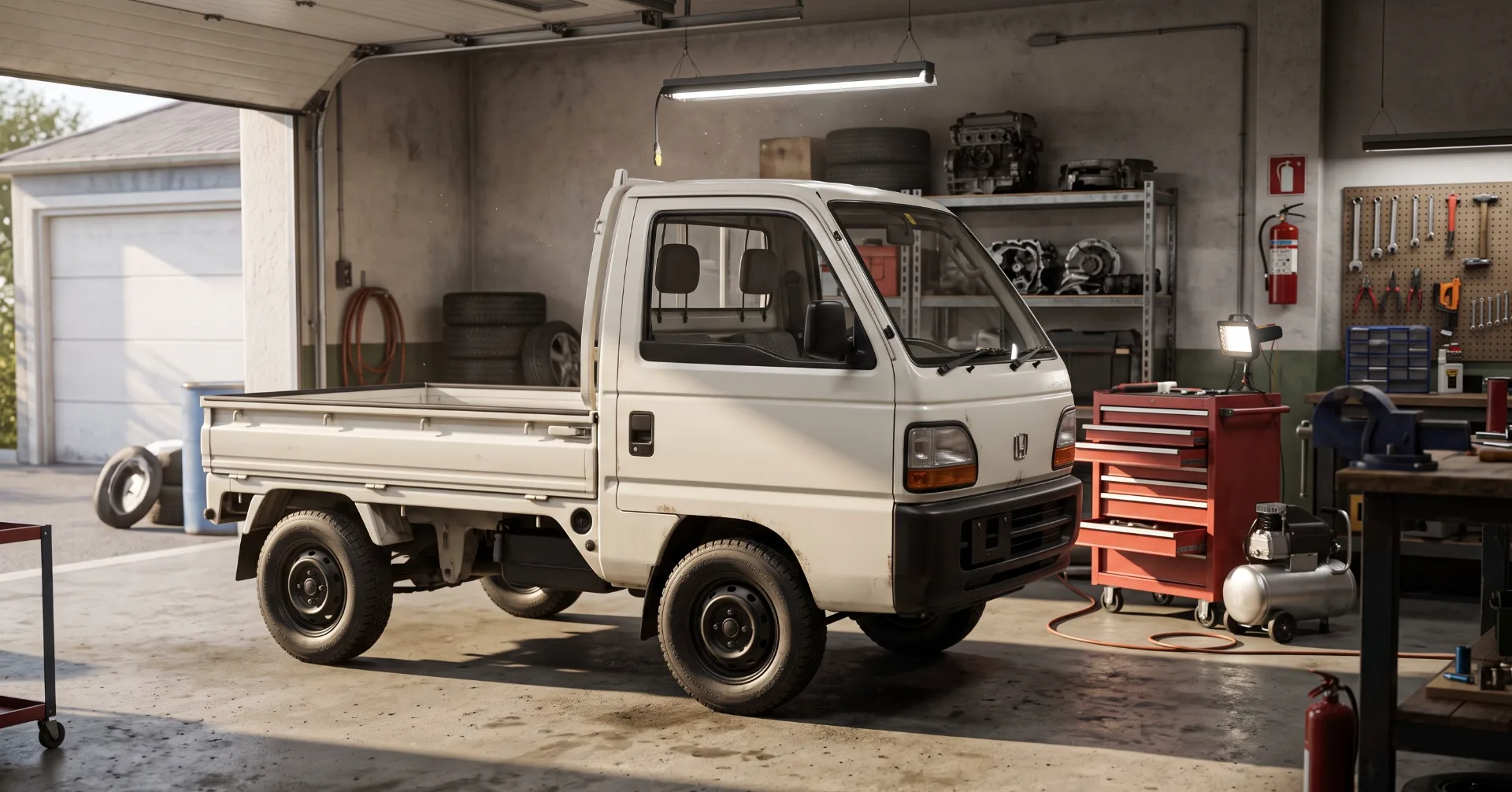
Import Duty: 2.5 percent of the purchase price for passenger cars, or a steep 25 percent "chicken tax" for trucks and cargo vans.
Harbor Maintenance and Merchandise Processing Fees: Standard port administrative fees that add several hundred dollars.
Customs Broker Fees: Expect to pay between three hundred and eight hundred dollars for a licensed broker to file your entry paperwork correctly.
Port Escort and TWIC Charges: You cannot simply walk onto a secure maritime dock to collect your car. You must pay a licensed, bonded TWIC escort or hire a commercial hauler to roll it outside the port gates.
Soil and Agricultural Cleaning: If overseas inspectors find foreign dirt in the wheel wells or undercarriage, your car will be routed to an approved facility for a mandatory steam wash at commercial labor rates.
Getting That Elusive Domestic Title
Clearing customs does not mean you are done. The final boss is your local state department of motor vehicles.
Some states are straightforward: bring your translated export certificate, CBP 7501, DOT declaration, and a vin inspection sheet to walk out with plates.
Other states, particularly California with its strict CARB testing laws, make titling an imported vehicle extremely expensive or effectively impossible without multi-thousand-dollar laboratory emissions modifications. Always research your specific state laws before wiring funds overseas.
Frequently asked questions
Can I import a car newer than 25 years old under special rules?
Yes, but the pathways are extremely narrow. The Show or Display rule allows certain historically or technologically significant vehicles to enter with strict annual mileage limits (2,500 miles per year). Otherwise, nonconforming cars newer than 25 years old must be brought into compliance by a Registered Importer, which is financially prohibitive for ordinary models.
What is the difference between RoRo shipping and container shipping?
Roll-on/roll-off (RoRo) means the vehicle is driven directly onto a specialized cargo ship deck. It is cheaper but exposes the vehicle to port handling and surface weather. Container shipping places the car inside a sealed steel container, offering maximum security and weather protection at a higher price point.
How much are US customs duties on imported vehicles?
Standard passenger cars are subject to a 2.5 percent import duty based on the purchase price. Pickup trucks, cargo vehicles, and two-seater commercial vans are subject to a 25 percent tariff known as the Chicken Tax.
Can I drive an imported car home from the port?
Generally no. The car will not have domestic license plates or local registration, and it may have an empty fuel tank or dead battery after ocean transit. Most buyers hire a licensed transport hauler or bring a flatbed trailer to transport the vehicle home directly from port facilities.
Comments
Join the conversation on How to Import a Car: The Real Guide to 25-Year Rules and Customs. Keep it civil — admins moderate reports.
Loading comments…