The Kei Truck Craze: Why We Chose 660cc Workhorses Over Modern Pickups
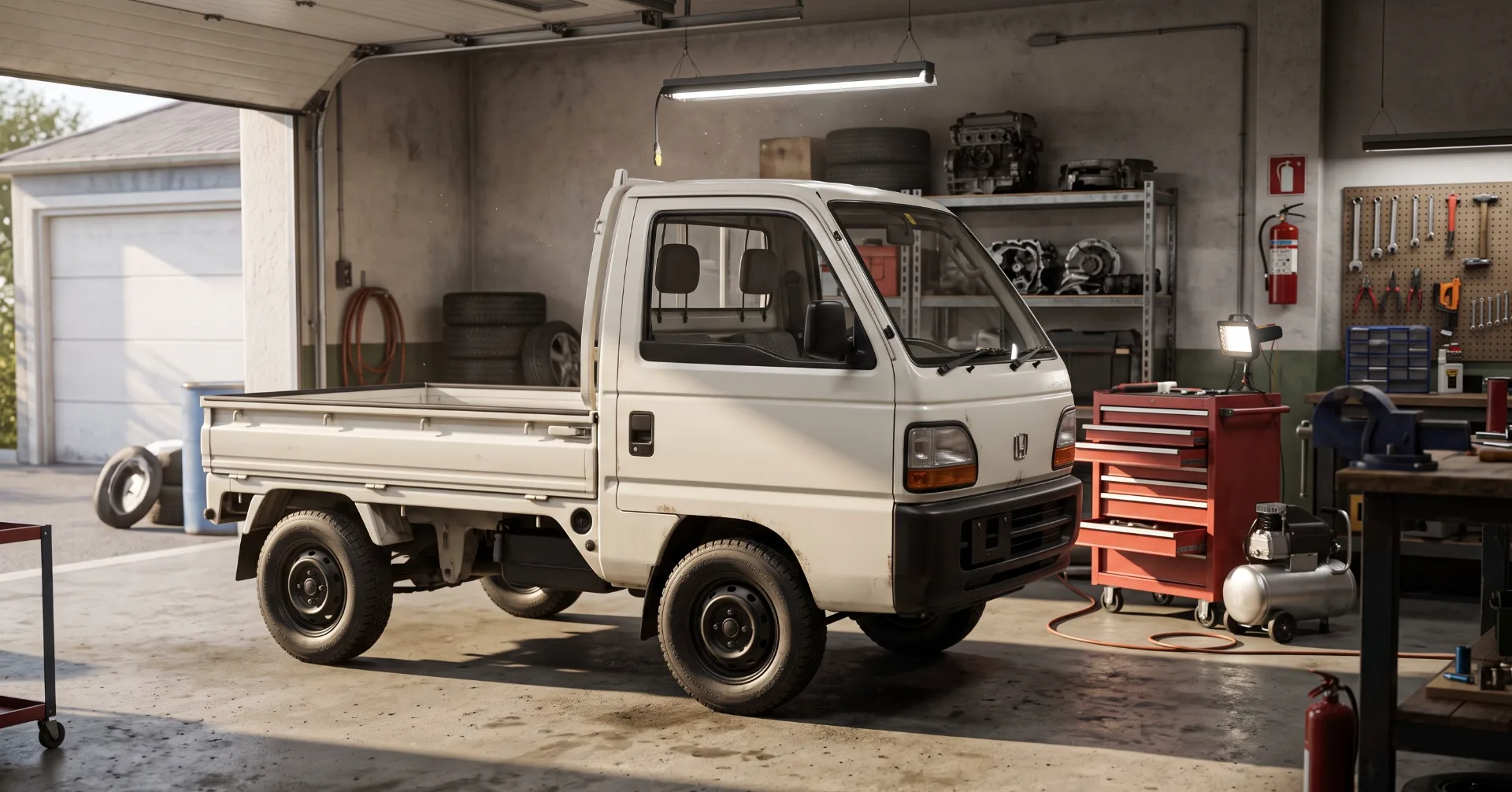
The kei truck craze is taking over American car meets, farm tracks, and urban streets. This breakdown dives into why enthusiasts are abandoning $70,000 factory pickups for tiny 660cc Japanese imports, what ownership actually feels like, and how to navigate the messy reality of registering one in the United States.
The Kei Truck Craze: Why We Swapped $70,000 Pickups for 660cc Japanese Haulers
Full-size American pickup trucks have lost their minds. Walk onto any dealership lot today and you will see leather-lined rolling condos with hoods taller than a grown adult, MSRPs pushing $80,000, and beds so high you need a stepladder just to grab a dropped ratchet. They are status symbols built for an imaginary cross-country cattle haul that never happens.
Enter the kei truck.
It is roughly the size of a golf cart, packs three cylinders displacing less than a high-end sportbike, and tops out right around where interstate speed limits begin. Yet these tiny right-hand-drive Japanese imports are quietly taking over the car scene. From suburban driveways and local hardware store runs to paddock support rigs at grassroots track days, enthusiasts are falling hard for Japan's smallest workhorses.
Here is the ground-level reality behind the craze, why builders love them, and what you actually get into when you buy one.
Join CarCultureHQ
Claim your free digital garage
Build your ride profile, log modifications, join a crew, and get your build in front of thousands of enthusiasts.
Create your free garage1. The Death of the Honest Small Truck
There was a time when the Ford Ranger, Chevy S-10, and Toyota Hilux were actual compact trucks. They had roll-up windows, vinyl bench seats, short cabs, and beds you could reach into from the side without pulling a hamstring.
Over the last thirty years, consumer trends, emission footprint formulas, and crash compliance pushed those trucks into midsize territory. Today, an entry-level Tacoma or Ranger dwarfs full-size trucks from the early 1990s.
Kei trucks fill that abandoned space. They measure just 10.8 feet long and under 4.6 feet wide, yet almost the entire footprint behind the cab is usable bed space. Fold-down tailgate and side gates give you a completely flat load floor. You can throw dirty engines, mulch, track spares, or lumber in the back, hose it out with a garden hose, and carry on. It is utilitarian design stripped of corporate pretension.
2. The Big Four: Choosing Your Platform
If you want in on the scene, you quickly realize not all mini trucks are built the same. Under Japan’s Kei Jidosha rules, these trucks are capped at 660cc (older pre-1990 models run 550cc) and 63 horsepower. However, the layouts vary dramatically across manufacturers:
Honda Acty: The mid-engine JDM darling. The engine sits low right in front of the rear axle, giving it incredible balance and a loyal following in tuner circles. Many feature RealTime 4WD.
Subaru Sambar: Often dubbed the mini Porsche. It runs a rear-mounted, four-cylinder engine (the EN07) rather than the typical triple. Supercharged versions exist, delivering surprisingly crisp throttle response.
Suzuki Carry: The gold standard for aftermarket support. Front-mid engine placement under the seats, tough-as-nails transfer cases, and massive parts availability make it an easy entry point.
Daihatsu Hijet: Toyota's compact sibling. Famous for bulletproof simplicity, locking rear differentials on agricultural specs, and easy access to maintenance components.
3. Slow Car Fast, All Day Long
Driving a kei truck in modern traffic recalibrates your senses. You sit directly over the front wheels with zero front crumple zone. The thin metal door sits against your left arm while your right hand works the shifter.
At 45 mph, you feel like you are flying.
Every input matters. You learn how to carry momentum through roundabouts, read grade changes before they rob your third gear, and laugh out loud when you blast down tight back roads. It delivers the same raw, unfiltered road feel that classic British roadsters or air-cooled Volkswagens offer, except you can also throw a lawnmower in the back.
4. The Registration Gauntlet
You cannot talk about kei trucks without acknowledging the paperwork elephant in the room.
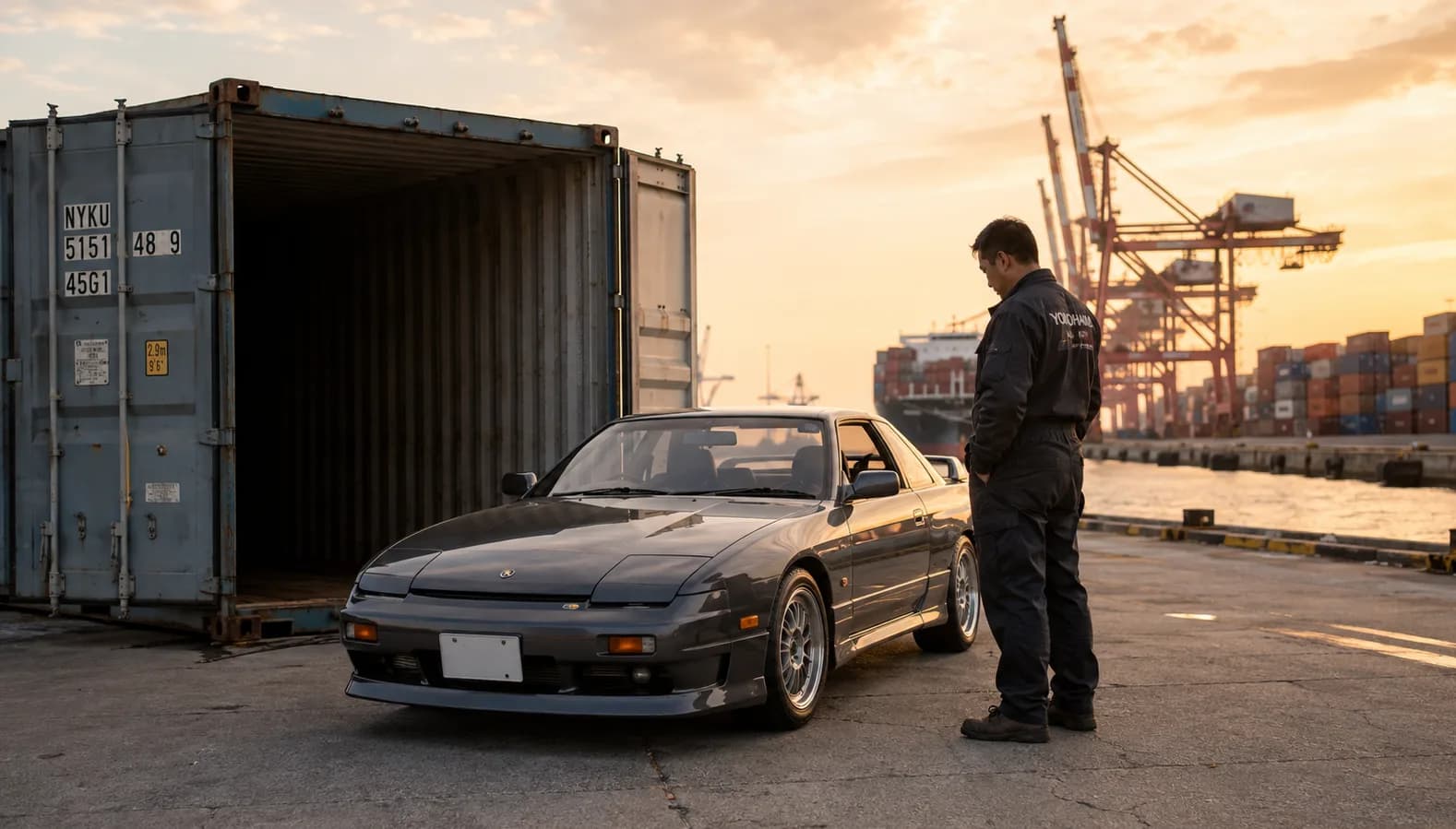
Under the federal 25-year exemption, importing a 1990s or early 2000s kei truck through US Customs and the EPA is entirely legal. However, the National Highway Traffic Safety Administration does not dictate how your local state DMV titles vehicles.
The legal landscape is patchwork:
The Good: States like Texas passed formal legislation establishing clear road-legal pathways for 25-year-old imports, joining states like Washington and Florida with open registration processes.
The Compromised: States like Ohio, North Carolina, and Pennsylvania allow restricted registrations, capping operation to secondary roads, specific speed limits, or historic vehicle usage.
The Hostile: States like New York, Georgia, and California strictly ban or refuse to issue street titles for kei-class imports, citing lack of modern crash structures or strict CARB regulations.
Before putting down a deposit or bidding on an exporter site, check your specific state statutes and local enthusiast forums. A clean import document means nothing if your local DMV clerk hands you a rejection slip.
5. Built for the Digital Garage
The final fuel for the craze is community. A kei truck is an automatic icebreaker. Park one outside a coffee shop, hardware store, or weekend car meet, and people will walk past supercars just to peer through the glass and ask about the right-hand drive setup.
They serve as mobile shop rigs for mechanics, vintage support trucks for drift teams, and blank canvases for custom fabrication. Seeing a lifted Suzuki Carry on knobby mud-terrains roll into an event with a matching dirt bike strapped in the bed turns heads every single time.
That is what makes them special. They are not about lap times or dyno sheets. They represent the fun, approachable, weird corner of car culture that puts a genuine grin on your face the second you turn the key.
Frequently asked questions
Are kei trucks safe to drive in American traffic?
They offer virtually no modern crash protection, missing front crumple zones and modern side curtain airbags. While fine for city speeds, rural routes, and farm duties, they are fundamentally vulnerable around modern 6,000-pound SUVs at high speeds.
Can a kei truck drive on the highway?
Technically, some can reach 60 to 65 mph on a flat road, but the engine will run near redline, and crosswinds make them unstable. Furthermore, nearly all states strictly bar kei-class vehicles from interstate highways. Keep them on two-lane roads and local surface streets.
How do you find replacement parts for Japanese mini trucks?
Wear items like oil filters, spark plugs, and brake pads often cross-reference with domestic Japanese models. Specialized components like engine seals, steering racks, and clutch kits are readily stocked by dedicated US-based kei suppliers or ordered through international parts networks.
How much does an imported kei truck cost in the US?
A running, driving, legally imported 25-year-old kei truck typically sells between $5,000 and $9,000 depending on rust condition, 4WD options, dump bed features, and overall mileage.
Comments
Join the conversation on The Kei Truck Craze: Why We Chose 660cc Workhorses Over Modern Pickups. Keep it civil — admins moderate reports.
Loading comments…