How to Buy a Used Car Without Getting Skinned: Real Rules for Real Drivers
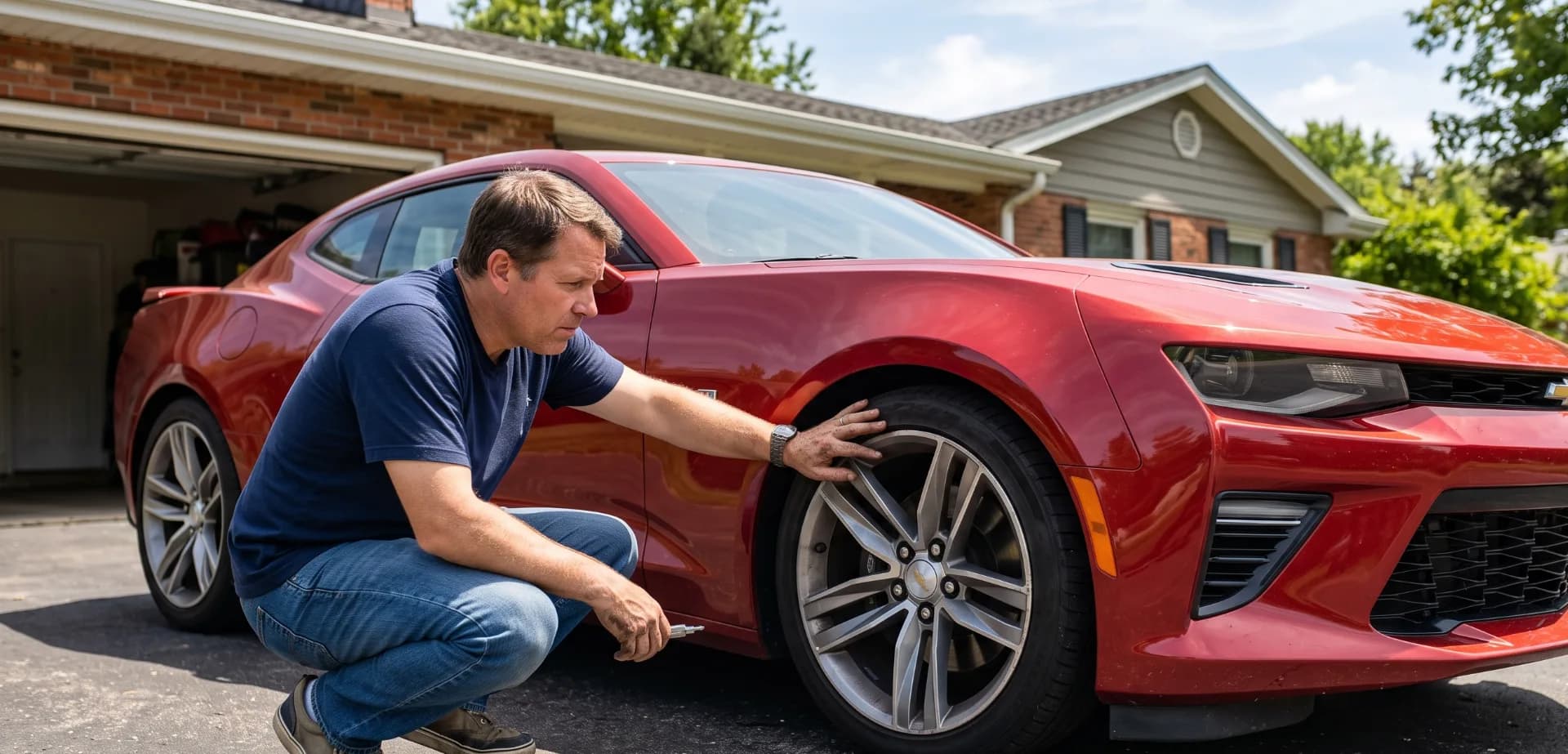
Buying a used performance car or daily runner shouldn't feel like navigating a minefield. Strip away the corporate sales talk, fake market hype, and high-pressure finance tricks. Here is how real buyers inspect, negotiate, and take home a solid used vehicle without getting burned or paying for somebody else's neglected maintenance.
Buying a used car isn't about following a polished 10-step corporate checklist. It's about self-defense. Dealerships do this every day. Private sellers sometimes lie, sometimes just don't know any better. If you walk into a deal unprepared, you are the easiest mark in the room.
Whether you're hunting down a clean manual weekend toy or just need a solid daily driver that won't die on the highway, here is how to navigate the used market without getting burned.
Join CarCultureHQ
Claim your free digital garage
Build your ride profile, log modifications, join a crew, and get your build in front of thousands of enthusiasts.
Create your free garageGet Your Money Sorted Before You Look at Metal
The moment you tell a dealer you haven't figured out financing, you handed them the steering wheel. They will sell you on monthly payments while hiding astronomically high interest rates, bogus add-ons, and long loan terms in the fine print.
Talk to your local credit union or bank first. Get a hard pre-approval number and know your interest rate upfront.
If you plan to pay cash, keep your mouth shut about it during initial talks. Dealerships make massive margins on financing kickbacks. If they know you're paying cash from minute one, they lose incentive to lower the sticker price. Negotiate the out-the-door price of the car first. Once that number is written down on paper, then talk payment methods.
Spotting the Details Sellers Try to Hide
Vehicle history reports are useful, but they only tell you about accidents that actually got reported to insurance companies. Plenty of hit-and-runs or driveway mishaps get fixed quietly behind closed doors.
You have to play detective when you walk up to a car:
Sight line down the panels: Stand at the corner of the bumper and look down the side. Wavy reflections mean body filler.
Paint tone matching: A bumper cover that looks slightly more yellow or darker than the fender next to it means it was repainted.
Badging position: If the trunk emblem sits an inch lower than factory spec, that panel was replaced or sprayed.
The key fob test: Always ask how many original keys come with the car. Modern intelligent fobs cost hundreds of dollars to cut and program. If there is only one key, knock $300 off your offer right away.
The Test Drive Is an Audit, Not a Joyride
Turn off the radio. Do not let the salesperson talk over you or distract you.
Drive the car over speed bumps to listen for worn control arm bushings or clunking strut mounts. Take your hands off the wheel for two seconds on a straight road to check alignment. Hit the brakes hard enough to feel if the rotors are warped.
If you are buying a performance car or anything past its factory warranty, pay an independent mechanic $150 for a proper pre-purchase inspection. If a seller refuses to let a mechanic look at the vehicle, walk away immediately. There is always another car.
Join CarCultureHQ
Claim your free digital garage
Build your ride profile, log modifications, join a crew, and get your build in front of thousands of enthusiasts.
Create your free garageFrequently asked questions
Are certified pre-owned (CPO) cars worth the extra cost?
Manufacturer-backed CPO programs offer genuine factory warranty coverage and strict inspection criteria. Third-party dealer "CPO" packages are often glorified service contracts full of exclusions, so read the fine print carefully.
How do I handle private party used car sales safely?
Meet in public locations like police station parking lots, verify the owner's photo ID matches the title name exactly, and complete a formal bill of sale alongside the title transfer.
Should I buy an extended warranty at the dealership?
Usually no. Third-party add-on warranties sold in finance offices carry high markup margins. If you want protection, research standalone coverage options independently before buying.
Comments
Join the conversation on How to Buy a Used Car Without Getting Skinned: Real Rules for Real Drivers. Keep it civil — admins moderate reports.
Loading comments…